
The Nervous System of Leadership – Part Two
DC
Why Serious Leaders Need Hobbies, and How I rebuilt creativity after years in executive mode
Article originally wrote for Substack 2.27.2026
Last week, I wrote about the emotional shock of finding myself a true beginner again while exhibiting my artwork publicly. That experience opened a deeper question for me: if returning to novice energy is so powerful for leaders, how do we create it intentionally in our lives rather than waiting for it to happen by accident?
I have been following Marina Cooley since she first started writing on Substack. One of her recurring themes is hobbies. Every time she wrote about them (the variety, the curiosity, the ease with which she seemed to move between interests), I felt something uncomfortable.
Jealousy.
Not because I didn’t admire her. But because I didn’t have that. I couldn’t even imagine having that.
At the time, I was deep in the trenches of corporate life. My days were filled with decision-making, navigating chaos, mentoring leaders, regulating emotions, mine and everyone else’s. By the time I drove ninety minutes home, there was nothing left. I would walk into the house, eat dinner, and go straight to bed. Weekends were for groceries and recovery. Reading was the only thing that allowed me to momentarily escape and brace myself for the next week.
For me, the answer began to emerge through something I once believed I did not have time for at all. Hobbies.
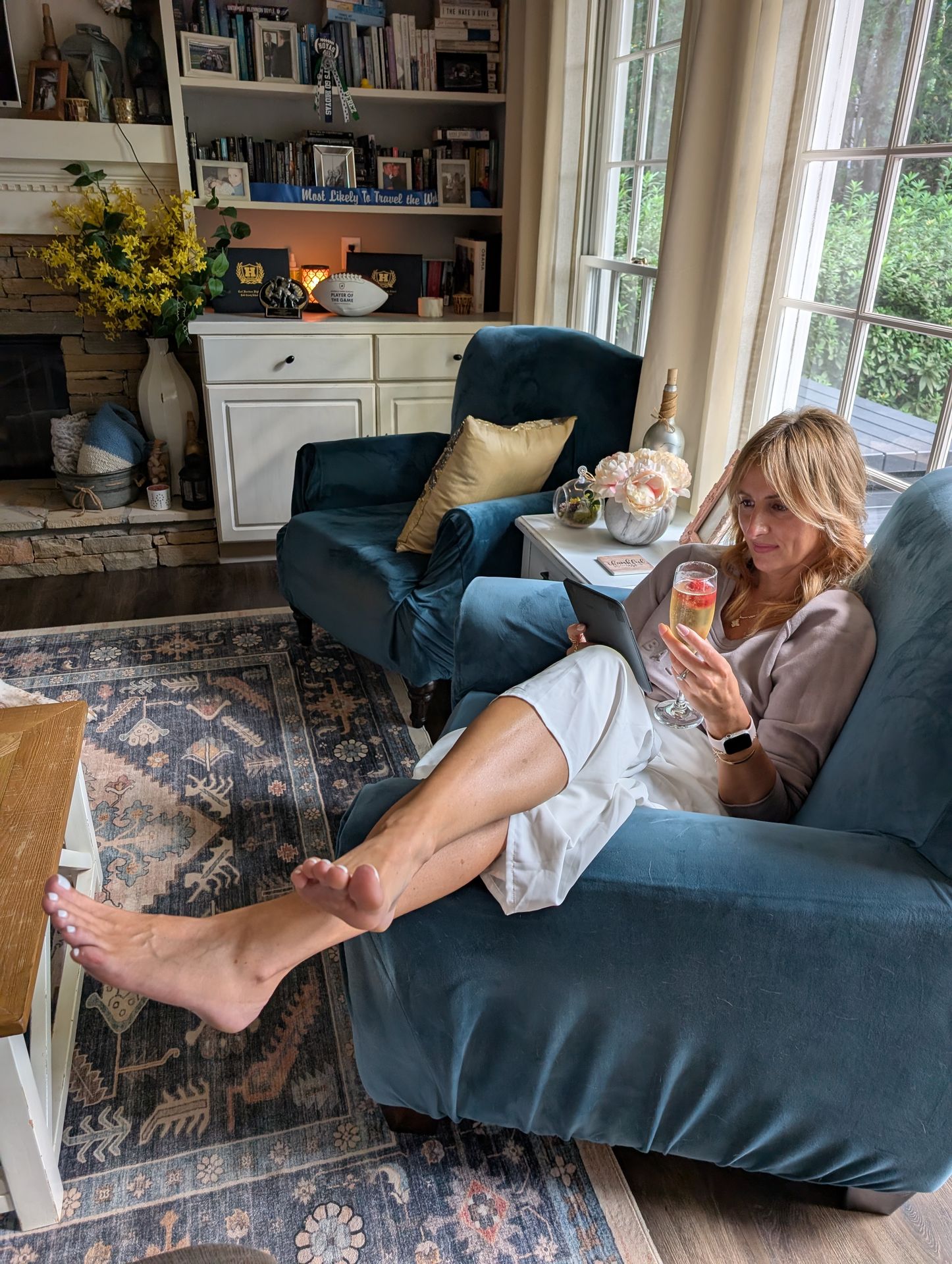
There was no room for hobbies.
Then sabbatical happened.
And almost immediately, something unexpected began to surface.
When I couldn’t sleep, I started writing in five different journals at once, not structured entries, just whatever needed to come out. Then I began painting. At first sporadically, and then obsessively, sometimes two paintings a day. There was no system, no discipline, no strategic intention behind it. Just brush to canvas and an immediate calming effect I hadn’t felt in years.
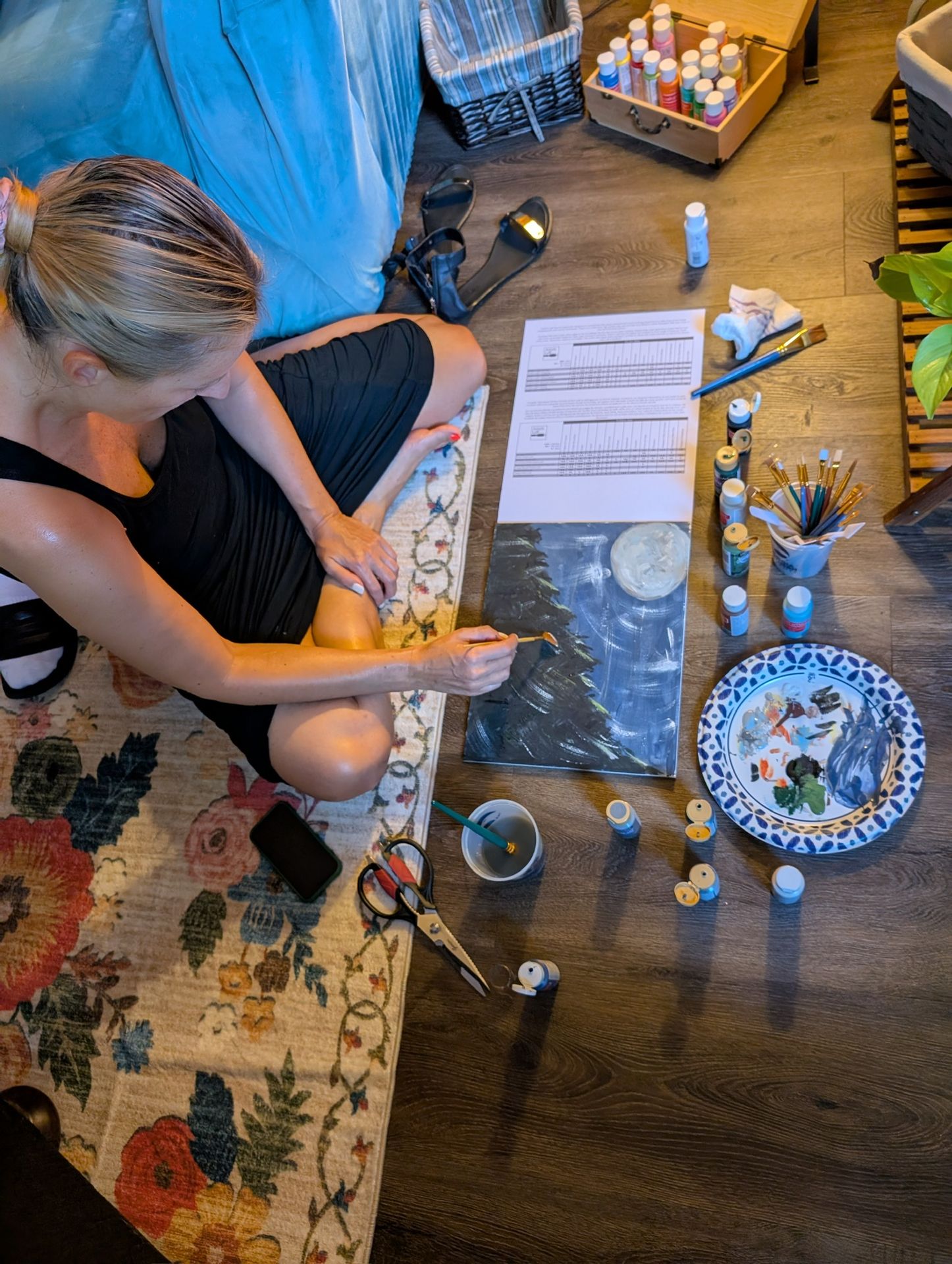
Poetry followed the same way. Multiple poems within weeks, as if something unnamed had been waiting patiently for space. The output felt chaotic, unconfined, almost inconvenient and yet deeply regulating.
And then, quietly, structure emerged.
I felt the need to gather everything into one place. I built a website. I organized the paintings, the poetry, the writing. I revisited old LinkedIn articles and started a weekly Substack column because, quite frankly, I have too much to say to keep it to myself.
Only then did I realize what had happened.
These were my hobbies.
Not imposed. Not scheduled. Not optimized.
They surfaced the moment my nervous system finally came off high alert.
In one of Marina's recent articles Is bad WiFi going to keep him from Olympic Gold?, she writes about Olympians. To us, their sport may look like artistry or play. But for them, it is contracts, rankings, funding, national expectations. The nervous system lives in a constant state of pressure. And that state cannot be sustained indefinitely. There must be something structurally different, something that allows the system to go “off duty.”
It resonated immediately.
Because I now know I was living in that same high-alert state for years. Leadership, at a high level, is emotional labor. It is cognitive intensity. It is constant evaluation and regulation. And while I loved it, my body never fully clocked out.
Hobbies became my off-duty environment.
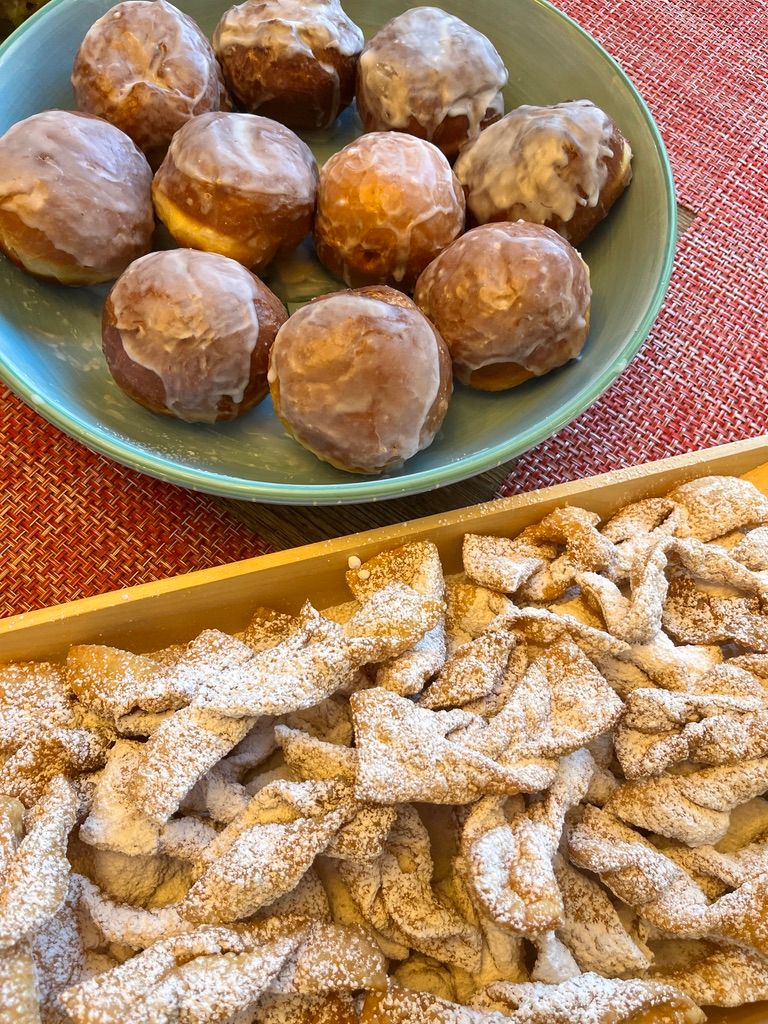
I already touched on painting, poetry, and writing that are now my daily, weekly, and monthly rhythm. But wait, there is more! Reviving my Spanish and French and now learning Korean because of a K-drama obsession, forces me into imperfection again. Mahjong, which I now play with women who have forty years of experience, brings joy with almost no consequence attached. Astrology slows me down and stretches my thinking beyond quarterly metrics and operational structure. And baking traditional Polish pastries reconnects me to lineage and memory in a way no executive achievement ever could.
And then there is movement.
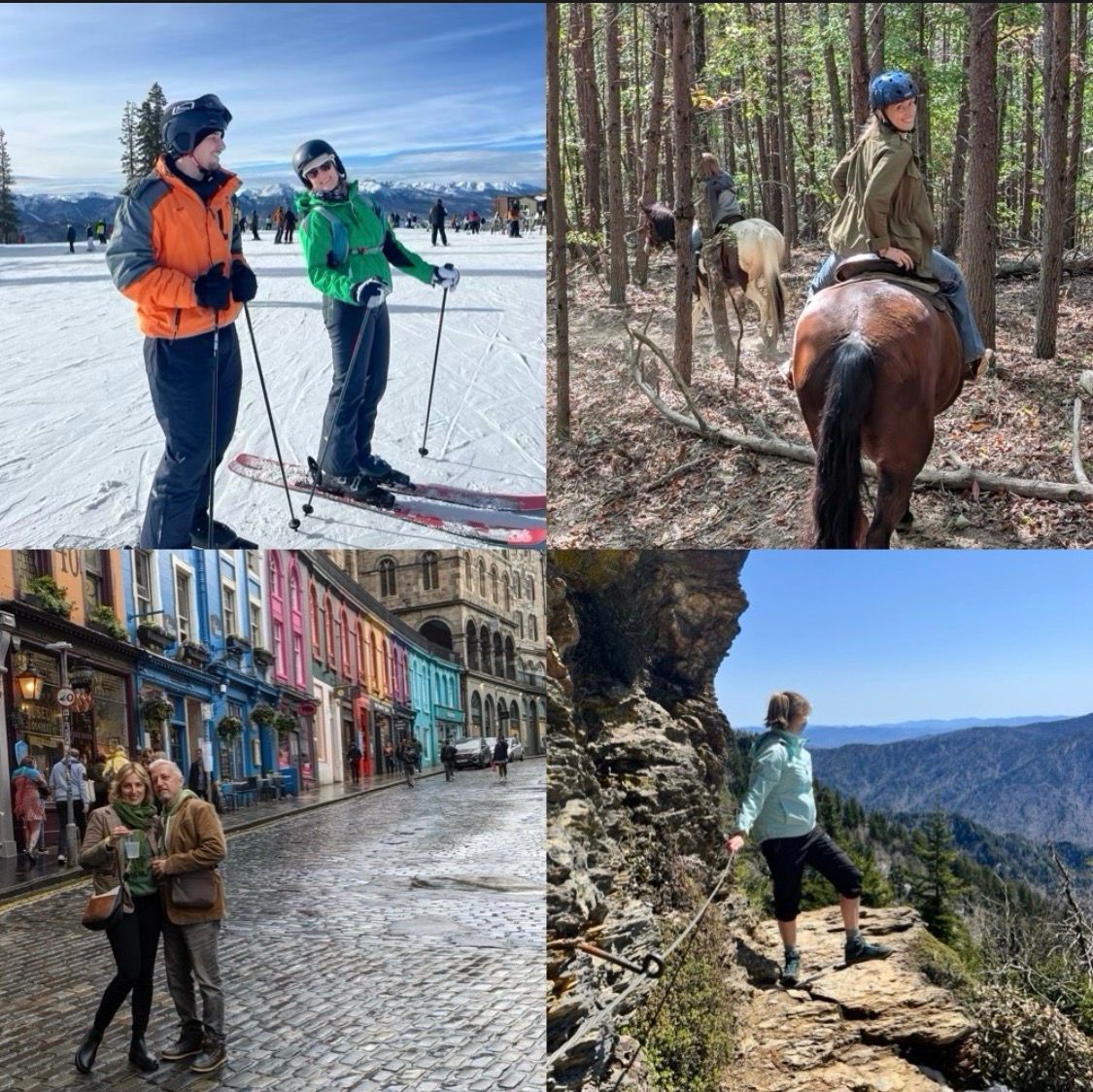
Hiking returns me to presence in a way few things can. There is no optimization, no urgency — only the rhythm of breath, terrain, and time. Skiing does something similar, but through challenge instead of stillness. It demands focus, humility, and trust in the body rather than the intellect. Traveling extends that lesson even further. Stepping into new countries, languages, and cultural norms disrupts routine and perspective; it forces awareness, adaptability, and curiosity. In all three, I am reminded that progress is not always linear, that mastery cannot be rushed, and that growth often begins with disorientation.
None of these pursuits produce revenue. None of them improve my resume in any conventional way.
But all of them improve my leadership.
Because they returned me to beginner energy.
They reminded me what it feels like not to know, not to excel immediately, not to have control. They reminded me how uncomfortable growth can feel in the body, how exposed and uncertain it is to step into something new.
And that realization ties directly to the lesson from last week’s exhibition.
Leadership is growth. Both personal growth and the growth of others. But we cannot cultivate a culture of development, mentoring, and expansion if we ourselves are no longer expanding. If we remain only in domains where we are experts, we slowly lose empathy for the emotional experience of learning.
When we allow ourselves to slow down, to become novices again, to feel slightly out of place, we regain proximity to the vulnerability that our teams feel when they stretch.
And that changes how we lead.
As my sabbatical comes to a close, I know one thing with certainty: I will not give up my hobbies. They are not indulgences. They are not luxuries.
They are structural protection for my nervous system and expansion for my leadership.
And I am no longer jealous of anyone else’s.