The Question That Stayed With Me
DC
Original article written for Substack 3.20.2026
Because some answers take longer than the conversation
Someone asked me recently how to lead without authority.
More specifically, how do you get people to do things, to actually move, when you have no formal power over them?
I answered. I said something true. But two days later the question is still sitting with me, turning over quietly, the way questions do when you know you left something important on the table.
And the image that came to me, not during the conversation, but after, in the stillness, was my sons.
They’re grown now. They live outside our home. But I keep going back to who they were in high school, and what I watched happen at our dinner table.
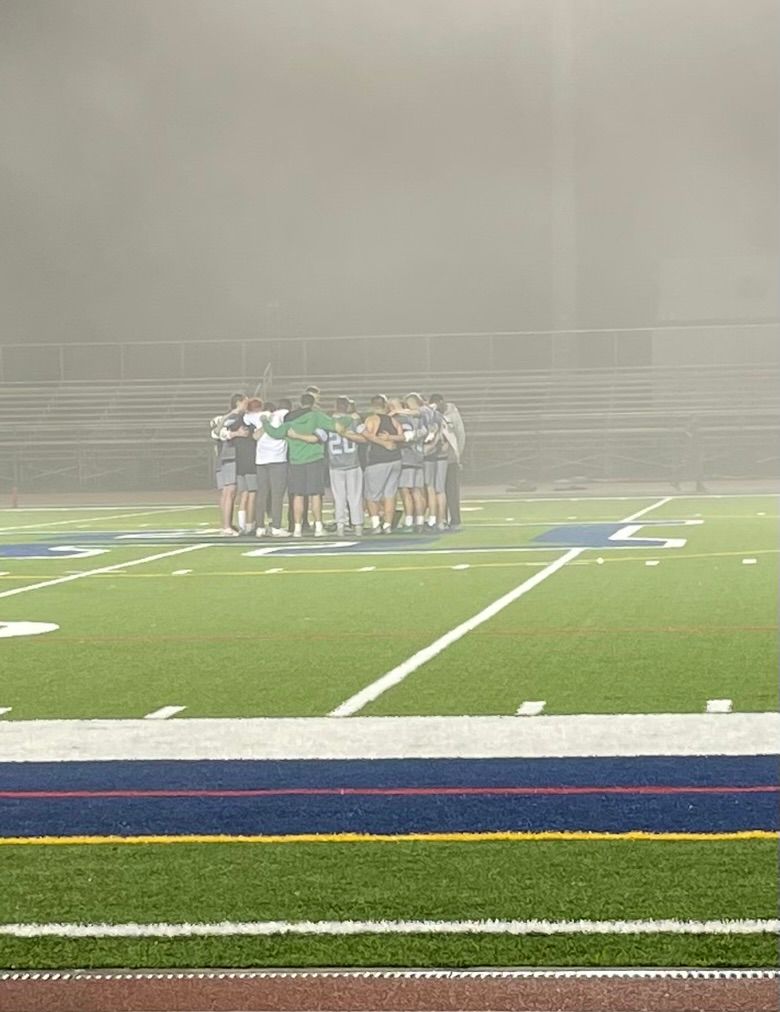
They both played sports. One played football and wrestling. The other lacrosse and wrestling. And they would come home and tell us things, stories from the field, from the mat, and I would sit there across from them, food going cold on my plate, just completely arrested by what I was hearing.
How they handled a conflict inside the team. How they showed up for a teammate after a brutal loss, or after someone made the error that cost them the point, cost them the win. The way they described it, the instinct they had for when to speak and when to just be there, it wasn’t something anyone had taught them. It was something they had grown into, quietly, through caring about the people next to them.
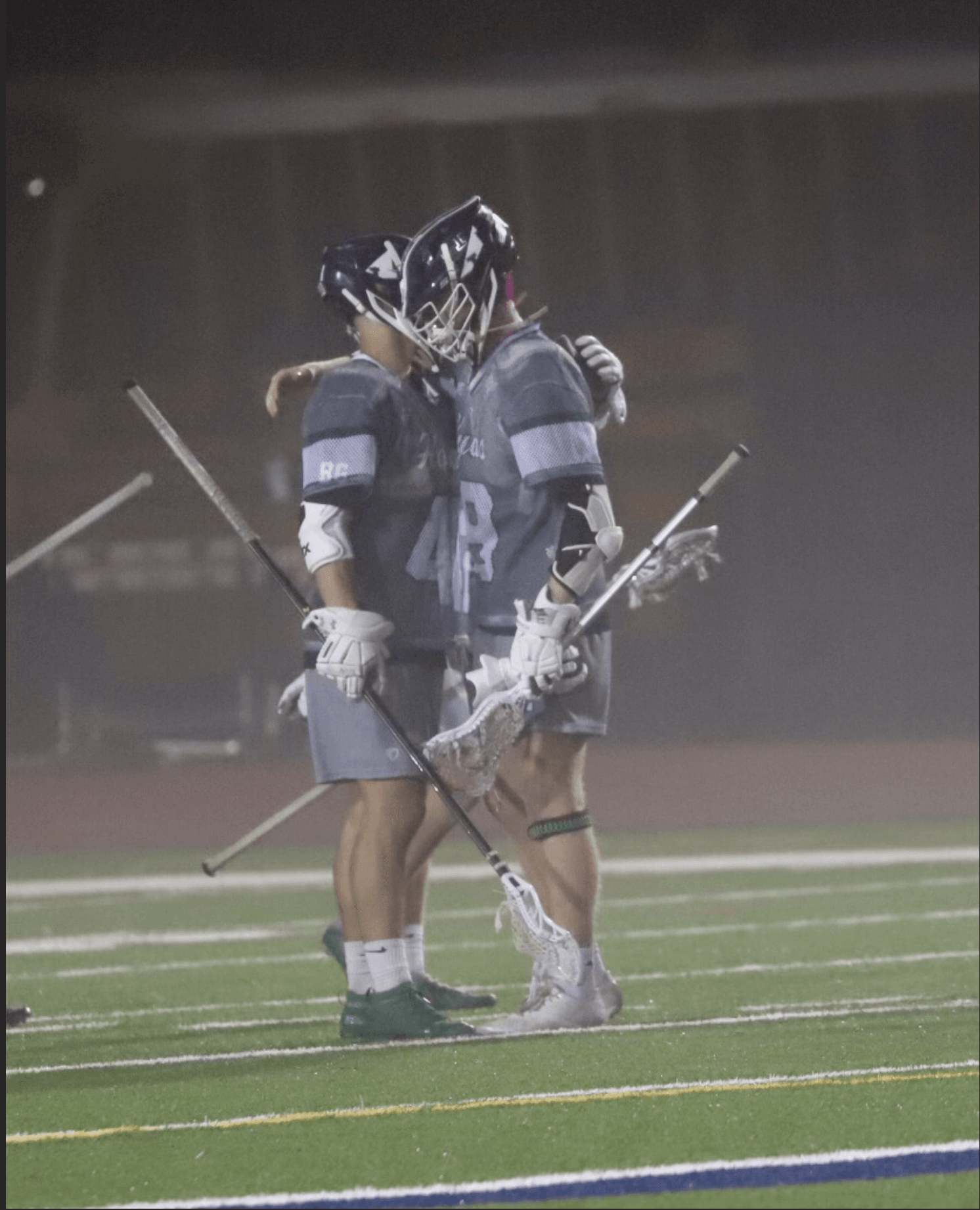
No title. No authority. Just presence, and the trust that had built up around it.
And I remember thinking: this is it. This is actually it.
The proof was in the house. Our home was always full with their friends spilling in on weekends, friendships forming that have lasted long past graduation, long past the teams that made them. That’s what real leadership leaves behind. Not compliance. People who want to stay close to you.
Then I turned that thought toward my own work.
I’ve spent years moving across organizations, helping departments get a handle on new processes, cleaning up old ones, leading teams through implementations and changes that disrupted everything they were used to. Consulting work, mostly. No direct reports. No formal authority over the people I was working with.
And I kept hearing the same things.
I wish you were my boss.
I wish I worked for you.
Are you hiring in your department anytime soon?
And then the quiet version of it, people appearing in my doorway who had no reason to be there. No organizational connection to me. Just someone who needed to think something through and felt safe enough to come. Questions about conflict. About how to handle a difficult situation. About growth and what to do next.
That’s what it looks like. That’s what leading without authority actually looks like.
Not people complying. People choosing.
So here is what I wish I had said in that conversation.
Leadership without authority is not a technique. It’s not a communication style or a stakeholder management framework. It is a way of being with people that makes them feel, at a level they can’t always name, that they are safe.
Safe to make a mistake in front of you. Safe to say the thing they’re actually afraid of. Safe to bring an idea that might be half-formed, or wrong, or exactly right. Safe to be the full, complicated, uncertain human being they are at work, which is the same human being they are everywhere else.
It’s sitting with someone in their fear of change instead of pushing them past it. It’s listening; really listening, not listening while you prepare your response, and letting what they say actually land. It’s respecting what someone knows, even when what they know is inconvenient for the timeline. It’s caring enough about the person to tell them the truth.
When you do that consistently, when people experience you that way over time, something happens that no authority structure can manufacture.
They don’t do things because you told them to. They do things because they want to. Because the work feels worth doing. Because the team feels worth showing up for. Because you feel worth showing up for.
You stop making people move. They just move.
That’s what my sons understood on the field when they were seventeen.
That’s what I’ve been doing, in my own way, for twenty years.
And that’s the answer I should have given.
Anthilles Consulting works with leaders navigating exactly this, the moments when formal authority isn’t enough, and something more real has to take its place. If this brought something up for you, I’d love to hear it.